Iran Faces One of the Most Severe Internet Shutdowns in History
Massive Internet Blackout Across Iran
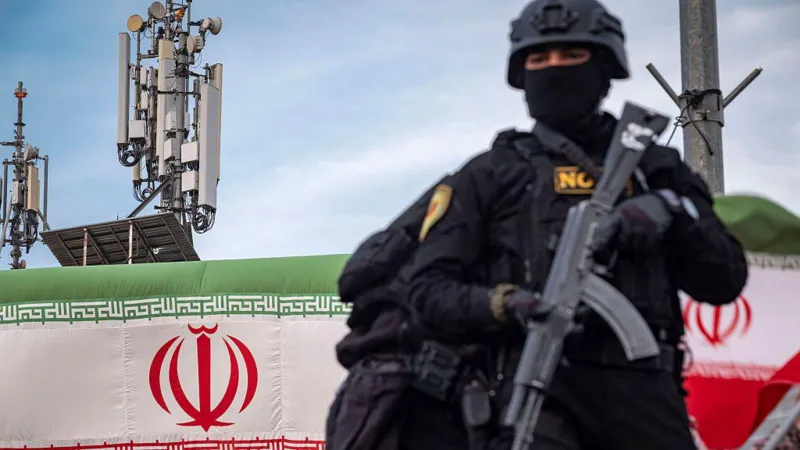
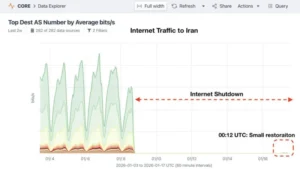
Iran is now ten days into one of the most extreme internet shutdowns in modern history, affecting nearly 92 million citizens and leaving the country largely cut off from global communication. Social media platforms, messaging apps, and critical online services are mostly inaccessible, which has not only disrupted daily life but also limited the flow of news and information both domestically and internationally. The government implemented the shutdown on 8 January, citing “externally directed terrorist operations,” but analysts argue that the move is primarily aimed at suppressing widespread protests, curbing dissent, and controlling public perception. Experts have highlighted that this blackout is longer and more comprehensive than any previous internet restriction in Iran, including those during the November 2019 and September 2022 protests. This extended isolation has serious consequences for the economy, education, healthcare, and small businesses, as millions of Iranians are unable to access online banking, e-commerce, or critical government services. Furthermore, humanitarian organizations and journalists find it increasingly difficult to monitor human rights violations, with the reported protest-related deaths already exceeding 3,300 and arrests reaching over 24,000. For ongoing updates and detailed coverage, visit World News 360 Plus
Unprecedented Duration and Scope
Unlike previous internet outages during the November 2019 and September 2022 protests, this blackout has lasted longer and affected almost the entire population. Reports indicate that some limited connectivity has resumed since 17 January, but it is estimated to be only about 0.2% of normal traffic levels. Millions of Iranians remain effectively isolated from the global internet, unable to communicate freely or access essential information. For detailed coverage, see World News 360 Plus.
Plans for Permanent Digital Isolation
Analysts from FilterWatch and other monitoring organizations warn that the Iranian government may be moving toward permanent digital restrictions. The plan could involve a tiered system where access to the global internet is no longer automatic, requiring registration and approval from authorities. Experts suggest that the government is using the current blackout to implement technical changes necessary for long-term control. Learn more on World News 360 Plus.
Economic and Social Impact
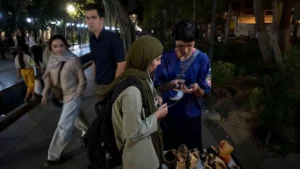
The shutdown is already severely affecting daily life in Iran. E-commerce platforms are largely non-functional, small businesses struggle to operate, and citizens face difficulty accessing banking, medical, and news services. The social and economic consequences are compounded by ongoing protests, which have reportedly resulted in over 3,300 confirmed deaths and more than 24,000 arrests, with the real numbers likely higher.
Comparisons to China and Russia
Iran’s potential plan mirrors internet control systems in China and Russia. China’s Great Firewall blocks access to foreign websites while maintaining internal connectivity, and Russia’s Ru-net initiative aims to isolate the country digitally during crises. If Iran adopts similar measures, it could create a controlled internal network while cutting off global access, though emerging technologies like Starlink satellites are already providing some citizens with limited online connectivity.
Emerging Solutions and Future Outlook
Despite government restrictions, experts remain cautiously optimistic about the future of connectivity in Iran. Satellite internet, Low Earth Orbit (LEO) technology, and mesh networking apps allow users to bypass traditional censorship. Prof. Alan Woodward notes that access may eventually become universal, but regimes will continue attempting to control it. The situation remains a cat-and-mouse game between technological innovation and governmental control.
/iran-protests-2026
Human Rights and Global Attention
The shutdown highlights the critical role of the internet in modern society and the lengths authorities may go to control information. As global attention focuses on Iran, the world watches how citizens adapt and how human rights are affected during this digital blackout. The current crisis serves as a reminder of both the power of the internet and the resilience of people determined to stay connected. For continuous updates, check World News 360 Plus
Summary Overview
Iran is currently experiencing a massive internet shutdown, leaving 92 million citizens cut off from international online services, including social media, messaging apps, and news platforms. The government has implemented this blackout to suppress ongoing protests and control information, raising concerns about human rights violations and restricted access to essential services. Analysts warn that authorities may enforce permanent digital isolation, creating a system where global internet access is limited and regulated. The shutdown is already disrupting daily life, e-commerce, and business operations, forcing citizens to rely on satellite internet services like Starlink and mesh networks to maintain limited connectivity. This situation highlights the growing struggle between governmental control and technological resilience, with the world closely monitoring how Iranians adapt to these extreme restrictions.


The Woodcutter and the Axe
Long ago, there lived a woodcutter in a small village. He was sincere in his work and very honest. Every day, he set out into

Why Reading More Books Wasn’t Making Me Smarter
I Realized I Had Been Reading Wrong My Entire Life Two years ago, I went on a non-fiction reading spree. You might be familiar with the

Israeli intelligence chief’s brother charged with smuggling cigarettes into Gaza
Israeli prosecutors have charged the brother of the head of the country’s intelligence agency, Shin Bet, with “aiding the enemy in wartime” by allegedly smuggling

Ministry of Defence Jobs 2026 February Apply Online Sub Inspectors, Special Operators, Supervisors & Others
Positions: === BPS-18 === 03 Deputy Director (Vetting) 01 Deputy Director (Signals) === BPS-17 === 16 Assistant Director 01 Assistant Director (Engineering) 03 Assistant

Teacher Appreciation Day 2025
In the United States, National Teacher Appreciation Day 2025 is on Tuesday, May 6, 2025. It is the centerpiece of Teacher Appreciation Week, which runs from May 5 to May

Online Earning Opportunities in Pakistan 2026
LiCrown AI is a web-based digital platform that gained significant attention in early 2026, particularly in Pakistan, as an “AI-powered” online earning or investment system.