Iran has entered a tense and uneasy calm following weeks of deadly antigovernment protests, as authorities appear to have suppressed demonstrations through severe repression. On January 16, 2026, there were no visible signs of new protests in Tehran or other major cities, even as a senior hard-line cleric openly called for the execution of detained demonstrators.
The protests, which began on December 28 over Iran’s worsening economic crisis, quickly evolved into a direct challenge to the country’s ruling theocracy. According to human rights groups, the government’s response has been brutal, with thousands reportedly killed during the crackdown. Despite the scale of violence, Iranian authorities have not released official casualty figures.
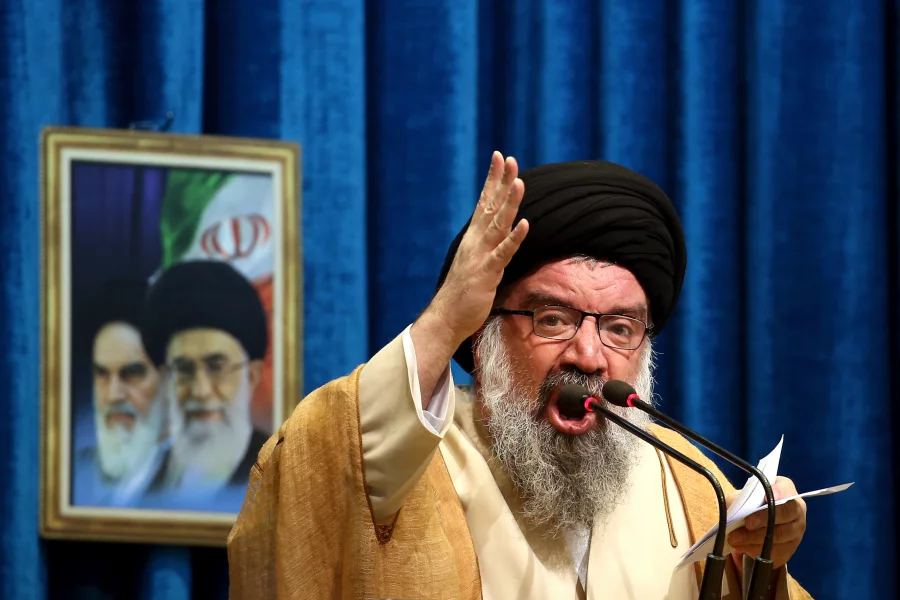
During Friday prayers, Ayatollah Ahmad Khatami — a powerful cleric and member of Iran’s Assembly of Experts and Guardian Council — delivered a fiery sermon urging harsh punishment for protesters. He labeled demonstrators as enemies of the state and accused them of acting on behalf of the United States and Israel. His speech included explicit threats toward U.S. President Donald Trump, further escalating rhetoric at an already fragile moment.
Meanwhile, President Trump struck a more cautious tone, publicly thanking Iran’s leaders for not carrying out mass executions of detained protesters. Trump described executions and the killing of peaceful demonstrators as “red lines” that could trigger U.S. military action, though his recent remarks suggest Washington may be stepping back from immediate intervention.
Despite the apparent calm on the streets, Iran remains largely cut off from the outside world due to an ongoing internet blackout. With communication restricted, many Iranians have crossed into neighboring countries such as Turkey simply to access the internet and inform relatives of their safety.
Exiled Iranian Crown Prince Reza Pahlavi has urged protesters to continue demonstrations and called on the United States to honor its pledge of support. However, his influence inside Iran remains limited, even as diaspora communities across Europe continue to stage protests against Tehran’s leadership.
Iranian authorities have also released figures detailing damage from the unrest, claiming hundreds of mosques, hospitals, ambulances, and emergency vehicles were destroyed or damaged. The scale of destruction underscores both the intensity of the protests and the depth of public anger toward state institutions.
While daily life in Tehran appears to be returning to surface-level normalcy, analysts warn that the underlying causes of unrest — economic collapse, political repression, and social frustration — remain unresolved. With tensions still high and the threat of regional spillover growing, Iran’s crisis is far from over.
New360Plus will continue to provide fact-based coverage and global perspectives on the evolving situation.